CNC milling
CNC milling services have revolutionized modern manufacturing, offering unparalleled precision, efficiency, and versatility across a myriad of industries. This advanced subtractive manufacturing process, which uses computer-controlled rotating cutting tools to remove material from a workpiece, is crucial for producing complex, high-tolerance parts. Industries that demand meticulous accuracy, rapid prototyping, and consistent production cycles benefit immensely from the capabilities of CNC milling.
One of the foremost beneficiaries is the aerospace industry. The stringent safety standards and performance requirements for aircraft components necessitate exceptionally precise manufacturing. CNC milling is indispensable for crafting lightweight, yet incredibly strong, parts from advanced materials like titanium and aluminum. From intricate turbine blades and engine components to landing gear and airframe structures, the exactness achieved through CNC milling ensures the reliability and safety critical for flight.
Similarly, the automotive industry heavily relies on CNC milling services for both prototyping and mass production. Engine blocks, cylinder heads, transmission parts, and various chassis components require tight tolerances for optimal performance and fuel efficiency. CNC milling allows automotive manufacturers to rapidly iterate designs, produce highly accurate parts for new vehicle models, and maintain consistent quality across large production runs, contributing significantly to vehicle safety and innovation.
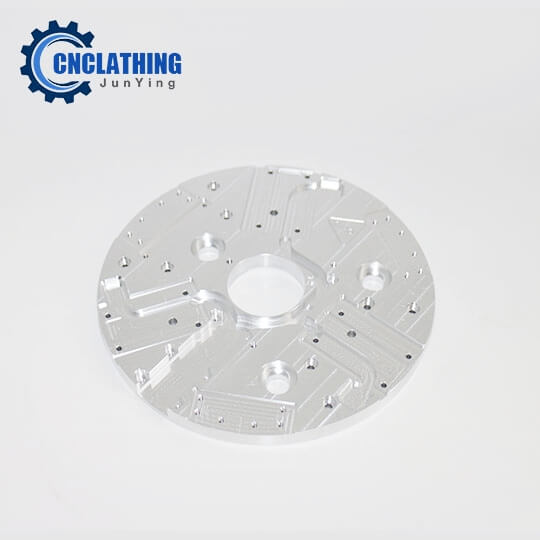
What industries benefit most from CNC milling services?
The medical industry is another sector that gains substantially from CNC milling. The production of medical devices, surgical instruments, and custom implants demands extreme precision and biocompatibility. CNC milling enables the creation of intricate parts, often from materials like titanium and PEEK, tailored to individual patient needs. This precision is vital for the functionality and safety of devices, from prosthetics and orthopedic implants to complex diagnostic equipment like MRI machines. The ability to produce sterile, highly accurate components is a cornerstone of modern healthcare. When it comes to shaping the sides of a workpiece, for instance, creating precise slots or flat surfaces, side milling techniques within the broader CNC milling process are particularly effective, ensuring superior surface finishes and dimensional accuracy for these critical medical components.
The electronics industry also leverages CNC milling for producing a wide range of components. From creating precise enclosures for smartphones and laptops to manufacturing intricate circuit boards, heat sinks, and connectors, the accuracy offered by CNC milling is paramount for the performance and miniaturization of electronic devices. The ability to achieve fine details and smooth finishes is essential for consumer electronics and telecommunications equipment alike.
Beyond these major sectors, defense, oil and gas, and renewable energy industries also derive considerable advantages from CNC milling services. The defense sector requires robust, durable components for military vehicles, weaponry, and communication systems, all demanding high strength and exacting tolerances. In oil and gas, CNC milling is crucial for producing resilient parts that can withstand harsh environments, such as valves, pipelines, and drilling equipment. For renewable energy, CNC milling aids in fabricating components for wind turbines, solar panels, and other green energy infrastructure, ensuring efficiency and longevity. Ultimately, the precision, repeatability, and material versatility of CNC milling make it an indispensable technology driving innovation and production across diverse manufacturing landscapes.